
Light at the end of M-code’s tunnel? Receivers for ships, planes to finish tests by 2027
An Air Force office recently took over the sprawling M-code project, meant to give jam- and spoof-proof GPS receivers to potentially a million pieces of tech.
An Air Force office recently took over the sprawling M-code project, meant to give jam- and spoof-proof GPS receivers to potentially a million pieces of tech.


Absolute positioning is critical in contested and denied environments.


The goal of such weaponization is to tie warfighter needs to the RDT&E cycle.
As “dirty” RF and contested environments proliferate, autonomy increasingly depends on resilient positioning.

The upgrade to be performed under then new contract would allow Lockheed Martin's AEP ground system to replace RTX's long-troubled OCX program for future GPS IIIF birds.

The Secure World Foundation's annual report also identified a trend towards bodyguard satellites that shadow and defend high-value military and intelligence satellites from adversary attack.

Meanwhile, the Space Warfighting Analysis Center is pushing the use of signals from communications satellites in low Earth orbit as a near-term alternative to GPS.

Army vehicles like Bradley need greater power at the sprocket for speed, braking, and manueverability.

Meanwhile, House and Senate appropriators are foot-stomping the need for improvements to the GPS constellation and new, resilient alternatives.
The FCC's concerns echo those from DoD and the Space Force about the ease of GPS jamming — and the rapid rise in deliberate jamming by governments and militaries in hot spots around the world such as Syria, Ukraine and the Red Sea.
Outgoing DoD space acquisition czar Frank Calvelli told Breaking Defense in an exclusive interview that he is confident the troubled OCX software will be up and running by year-end.
"In short, if GPS goes down, critical infrastructure fails and our nation plunges into chaos," writes Rear Admiral USN (ret.) David Simpson.


One commander, many robots: Fully autonomous ground vehicles are reshaping the battlefield.
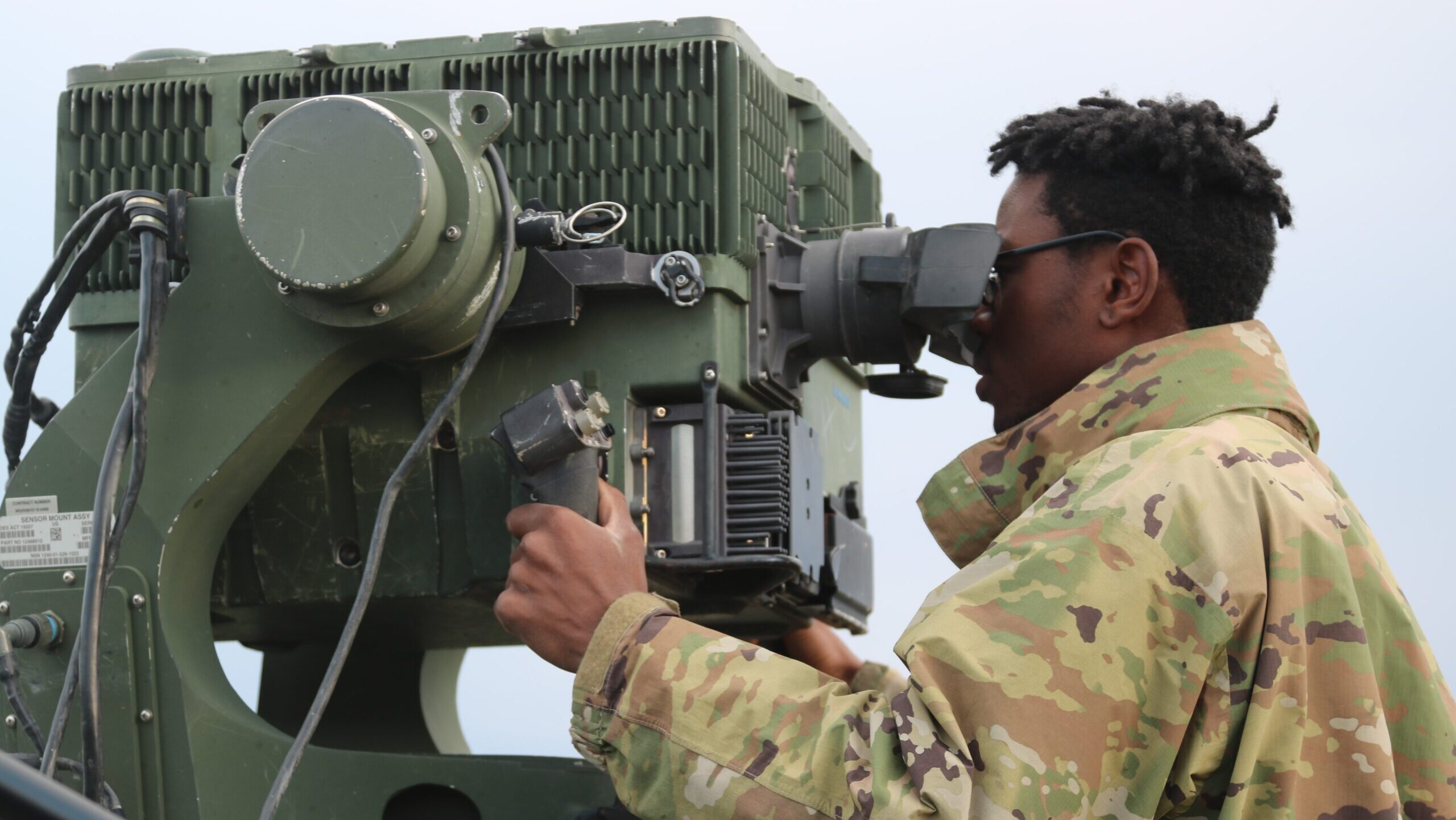
The troubled OCX ground system to allow users access to the jam-resistant M-Code GPS signal will go into operational tests by the end of the year, and the Space Force also has shaken up its effort to field M-Code radios and receivers, said Cordell DeLaPena, who heads those programs for Space Systems Command.
The four companies chosen for the GPS augmentation program are Astranis, Axient, L3 Harris, and Sierra Space.

"Every dollar invested brings asymmetric returns, while every cut risks asymmetric losses, given the continued advancements of the competitors, the Space Force budget needs more, not fewer, resources to do our job," said Gen. Michael Guetlein, Space Force vice chief.
The President’s National Space-based Positioning, Navigation, and Timing Advisory Board recommends that the Biden administration create a new “locus of authority and accountability for PNT decision-making beyond DoD GPS program management.”